Introduction
Few events in the global calendar generate as much excitement, analysis, and cultural conversation as fashion week. Four times a year, the industry’s most influential designers, editors, buyers, and creatives converge on the world’s fashion capitals to preview the next season’s collections. The latest fashion week news shapes what consumers will wear months from now and sets the creative agenda for the entire industry.
Understanding fashion week what happens, why it matters, and how to follow it is essential for anyone who wants to stay genuinely informed about where fashion is headed.
What Is Fashion Week and Why Does It Matter?
Fashion week is a series of runway events held across New York, London, Milan, and Paris collectively known as the “Big Four” fashion capitals. These events are held twice a year, in February and September, to preview spring/summer and autumn/winter collections respectively.
Beyond these flagship events, fashion weeks are also held in cities like Copenhagen, Seoul, Tokyo, Lagos, and Mumbai, reflecting the increasingly global nature of the fashion industry.
For the latest updates and highlights, explore fashion week news to stay informed on runway shows and seasonal trends.
For brands, fashion week is the single most important marketing moment of the season. A standout show generates months of media coverage, editorial features, and social media discussion. For buyers and retailers, the collections previewed at fashion week directly inform purchasing decisions that shape what appears in stores worldwide.
The Business of Fashion Week
Fashion week is not just creative theater it is a high-stakes commercial event. Brands invest heavily in show production, venue selection, model casting, and press outreach to maximize the impact of their presentations.
The return on this investment comes in the form of order volume from wholesale buyers, earned media coverage, and the long-term brand equity that comes from being associated with the season’s most memorable moments.
The Big Four: A City-by-City Overview
Each of the four major fashion week cities has a distinct identity and plays a specific role in the broader fashion week ecosystem.
New York Fashion Week
New York Fashion Week (NYFW) traditionally opens the fashion week calendar. Known for its commercial sensibility and accessible luxury positioning, NYFW showcases a blend of established American designers and emerging talent.
The city’s fashion week is closely tied to retail the collections shown here are often highly wearable and directly connected to what department stores and specialty retailers will carry next season. Fashion week news from New York typically focuses on market trends, emerging consumer preferences, and the business side of fashion.
London Fashion Week
London Fashion Week is celebrated for its creativity, experimental spirit, and commitment to emerging talent. British fashion has a long tradition of producing designers who challenge conventions and push aesthetic boundaries, and the London shows reflect this heritage.
Fashion week news from London often highlights the most avant-garde and conceptually adventurous collections of the season. The city is also known for its support of sustainable and independent designers, making it an important venue for coverage of ethical fashion trends.
Milan Fashion Week
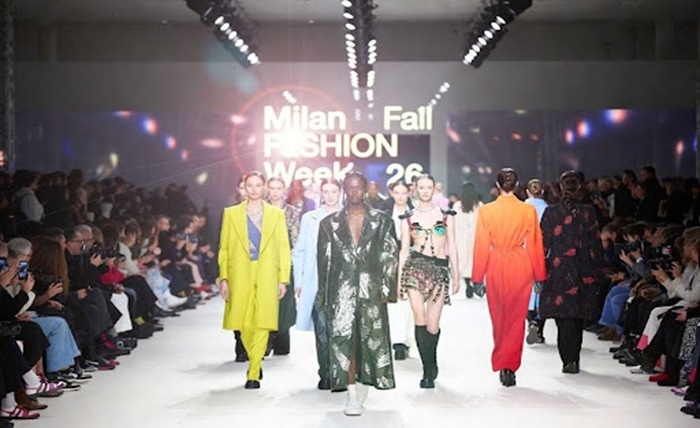
Milan is the home of Italian luxury fashion, and Milan Fashion Week reflects this identity with a focus on craftsmanship, heritage, and sophisticated elegance. The Italian fashion houses that show in Milan are among the most commercially powerful in the world, and their collections command enormous global attention.
Fashion week news from Milan tends to focus on the major luxury conglomerates and their flagship brands, as well as the artisanal excellence that distinguishes Italian fashion from its competitors.
Paris Fashion Week
Paris Fashion Week is widely considered the pinnacle of the fashion week calendar. The city is home to the world’s most prestigious couture houses and luxury brands, and the collections shown here set the tone for global fashion at the highest level.
The finale of Paris Fashion Week particularly the couture shows held in January and July represents the ultimate expression of fashion as art form. Fashion week news from Paris receives the widest international media coverage of any city in the calendar.
Key Trends in Current Fashion Week
The Shift Toward Experiential Shows
Traditional runway shows models walking a straight catwalk in a conventional venue are increasingly giving way to more immersive, theatrical presentations. Brands are investing in elaborate set designs, performance elements, and site-specific venues to create experiences that translate as compellingly on social media as they do in person.
This shift reflects the reality that fashion week shows are now designed for two audiences simultaneously: the industry insiders in the room and the global digital audience watching in real time.
See-Now-Buy-Now Collections
Some brands have experimented with making their fashion week collections immediately available for purchase, eliminating the traditional six-month gap between the runway show and the retail release. This approach capitalizes on the excitement generated by the show while it is still fresh in consumers’ minds.
Fashion week news around see-now-buy-now launches tends to generate significant consumer interest, though the model presents real logistical challenges for brands operating within traditional wholesale structures.
Inclusivity and Diversity on the Runway
Fashion week news has increasingly focused on the industry’s evolving approach to diversity and inclusion. The casting of runway shows has become a significant story in its own right, with media and consumers paying close attention to how brands represent different body types, ethnicities, ages, and gender expressions.
Brands that lead on inclusivity receive positive coverage and brand equity benefits. Those that fall short attract criticism that can overshadow the creative content of their collections.
Sustainable Collections Taking Center Stage
Sustainability has moved from a niche concern to a mainstream fashion week story. More brands are using their runway presentations to showcase eco-friendly materials, circular design principles, and commitments to ethical production.
Fashion week news around sustainability often examines the gap between brand messaging and actual practice a scrutiny that is pushing the industry toward greater transparency and accountability.
How Fashion Week Shapes Consumer Trends
The relationship between fashion week and consumer behavior is more direct than many people realize. Here is how runway news translates into real-world trends.
Trend Forecasting
Fashion week collections are analyzed by trend forecasters, stylists, and editors who identify recurring themes, color palettes, silhouettes, and materials across multiple shows. These trend reports inform everything from fast fashion production to interior design to beauty campaigns.
Media Influence
The editorial coverage generated by fashion week in magazines, digital publications, and social media directly shapes consumer desire. When a particular look or item receives significant coverage, it drives consumer demand for similar pieces at every price point.
Influencer Amplification
Front-row attendees at fashion week including influencers, celebrities, and content creators share their experiences in real time, dramatically expanding the audience for each show. Street style coverage outside fashion week venues has become a significant trend story in its own right, with the outfits worn by attendees often generating as much coverage as the collections themselves.
The Role of Digital Media in Fashion Week
The digital transformation of fashion week coverage has been profound. What was once an exclusively industry-facing event accessible only to buyers, press, and invited guests is now a global spectacle that anyone with an internet connection can follow in real time.
Live Streaming and Social Coverage
Most major brands now live stream their runway shows, making them instantly accessible to a worldwide audience. Social media platforms carry real-time commentary, images, and video from inside the shows, creating a constant feed of fashion week news that runs throughout the month-long event calendar.
Digital Fashion Weeks
The COVID-19 pandemic accelerated the development of fully digital fashion week formats, and while in-person shows have returned, the digital infrastructure developed during that period has permanently expanded how fashion week content is produced and distributed.
Some brands have used digital formats to create presentations that go beyond what is possible in a physical show incorporating animation, film, and interactive elements to present their collections in entirely new ways.
Emerging Cities in Global Fashion Week News
While the Big Four remain dominant, fashion week news increasingly covers events in cities that are building significant creative profiles on the global stage.
Copenhagen Fashion Week
Copenhagen has established itself as one of the most exciting destinations in global fashion week, particularly for its leadership on sustainability. Scandinavian designers have developed a distinctive aesthetic clean, functional, and thoughtfully produced that has attracted significant international attention.
Seoul Fashion Week
South Korea’s fashion industry has grown enormously in influence, driven in part by the global reach of K-pop and Korean cultural exports. Seoul Fashion Week showcases a dynamic mix of streetwear, avant-garde design, and cutting-edge beauty concepts that feel genuinely fresh relative to the established European fashion capitals.
What to Look For in Fashion Week Coverage
For readers who want to make the most of fashion week news, here are the key elements to focus on.
Standout Collections
Every season, a handful of shows generate significantly more conversation than others. These are typically collections that offer a distinct creative point of view, tell a compelling story, or introduce a new aesthetic direction that feels genuinely new.
Trend Themes
Look for recurring elements across multiple shows color stories, silhouette shifts, material innovations, and styling approaches that appear consistently. These repeated themes are the most reliable indicators of where mainstream fashion is headed.
Industry Conversations
Fashion week is also a platform for broader industry conversations about sustainability, diversity, the future of retail, and the evolving relationship between fashion and culture. Following these meta-narratives alongside the show coverage gives a fuller picture of the industry’s direction.
Conclusion
Fashion week news is essential reading for anyone who wants to understand where fashion is going and why. From the established prestige of Paris to the experimental energy of London, the shows that make up the global fashion week calendar shape consumer desire, industry strategy, and cultural conversation in profound ways.
Following fashion week closely is not just about knowing what to wear next season it is about understanding the creative, commercial, and cultural forces that make fashion one of the world’s most dynamic industries.
Frequently Asked Questions
When does fashion week take place?
Fashion weeks occur twice a year, in February (for autumn/winter collections) and September (for spring/summer collections), across New York, London, Milan, and Paris.
Who attends fashion week?
Buyers, press, stylists, celebrities, influencers, and industry insiders. Some shows are now partially open to the public or live streamed online.
How does fashion week affect retail?
Collections shown at fashion week inform wholesale buying decisions that determine what appears in stores six months later.
Which city’s fashion week is most important?
Paris is generally considered the most prestigious, but each city plays a distinct role in the overall fashion week ecosystem.
Can I watch fashion week shows online?
Yes most major brands now live stream their shows and post recordings on their websites and social media channels.